Perimeter Protection
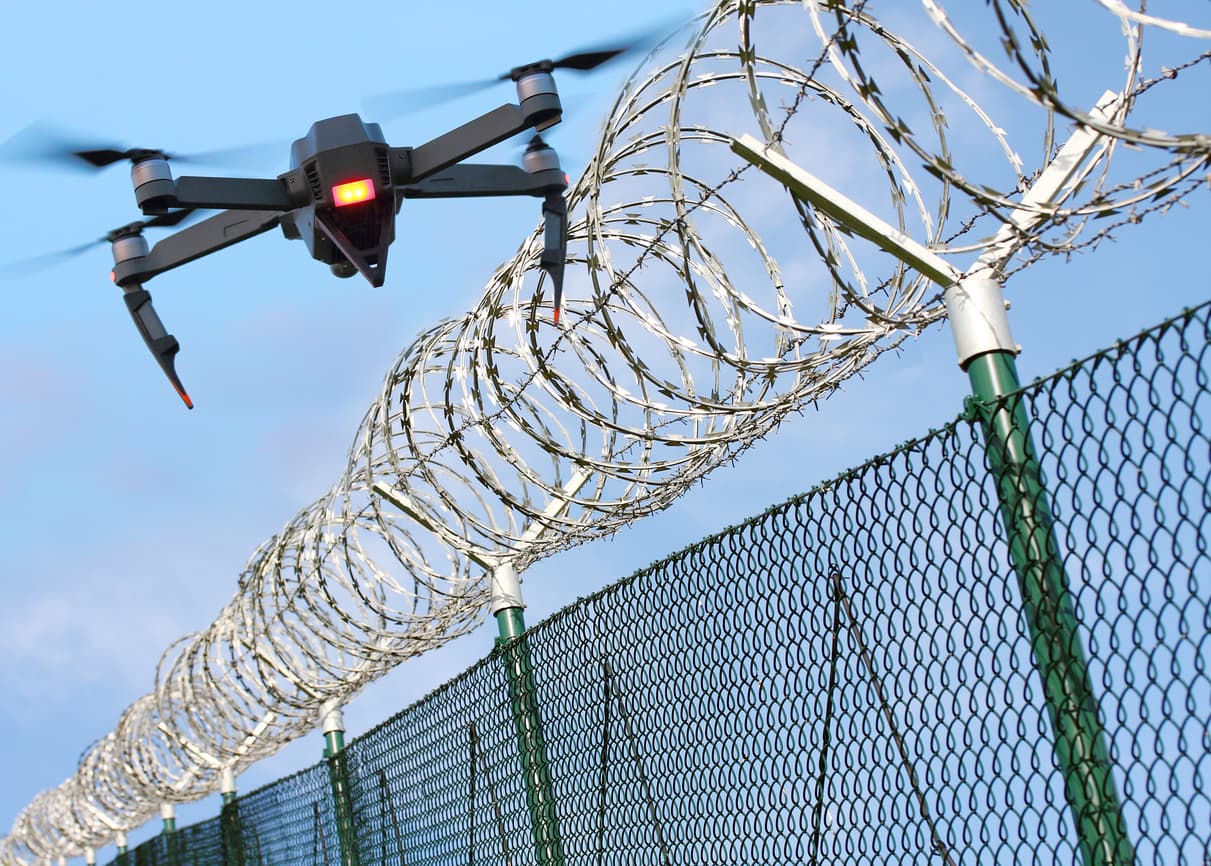
Perimeter Protection, in its various forms, is the first level of protection for any building or compound;

Perimeter Protection, in its various forms, is the first level of protection for any building or compound;
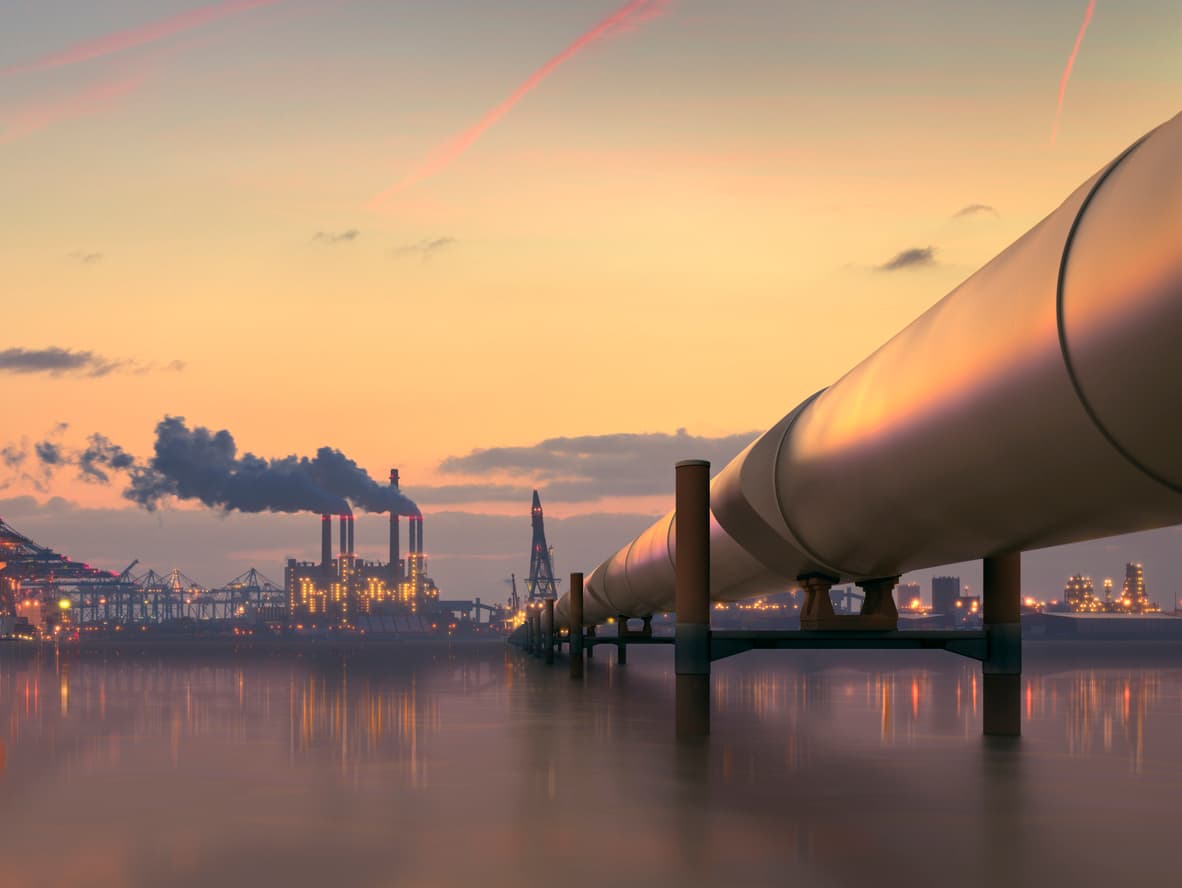
Preventing or detecting leaks caused by corrosion, environmental or malicious damage is a major

Changes whether it be crisis management, or the security environment Westminster’s Team of
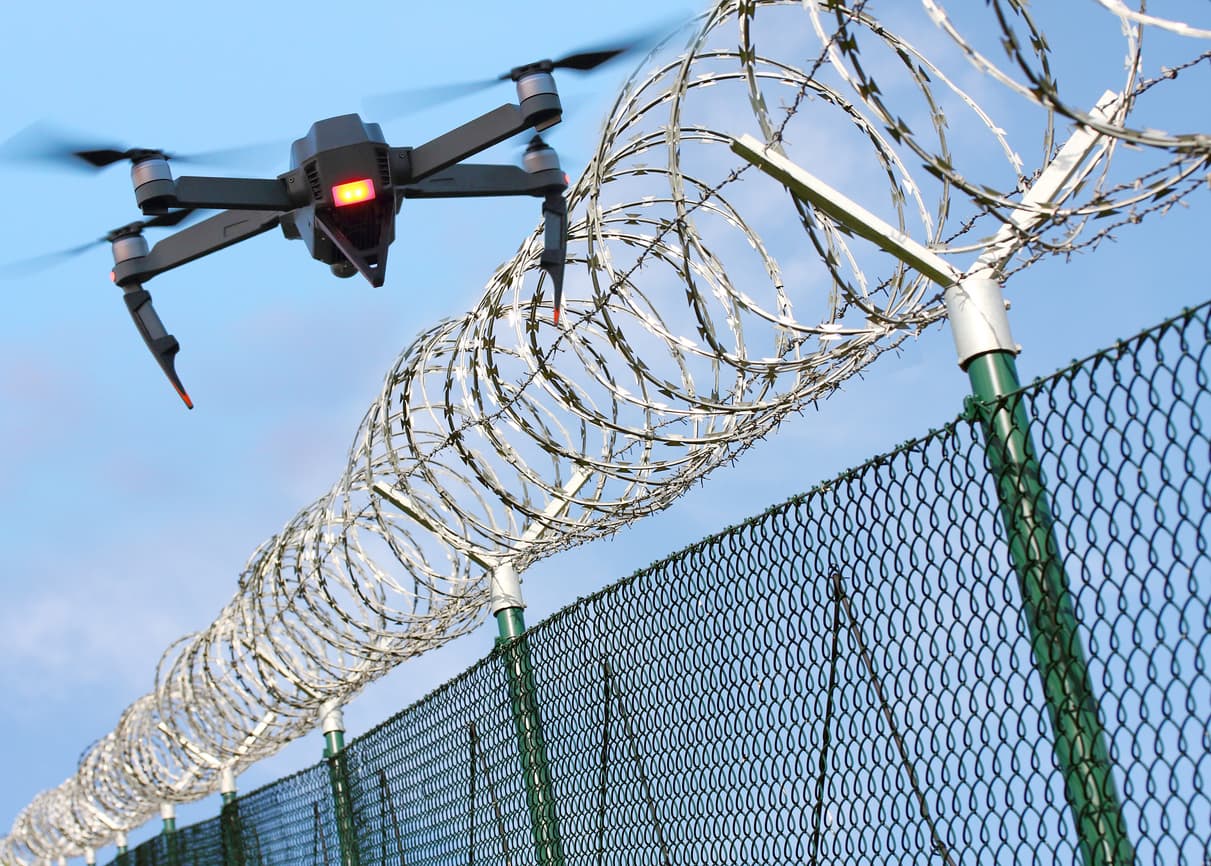
Static Guarding is a vital part of any business that requires a constant security presence. Not only must
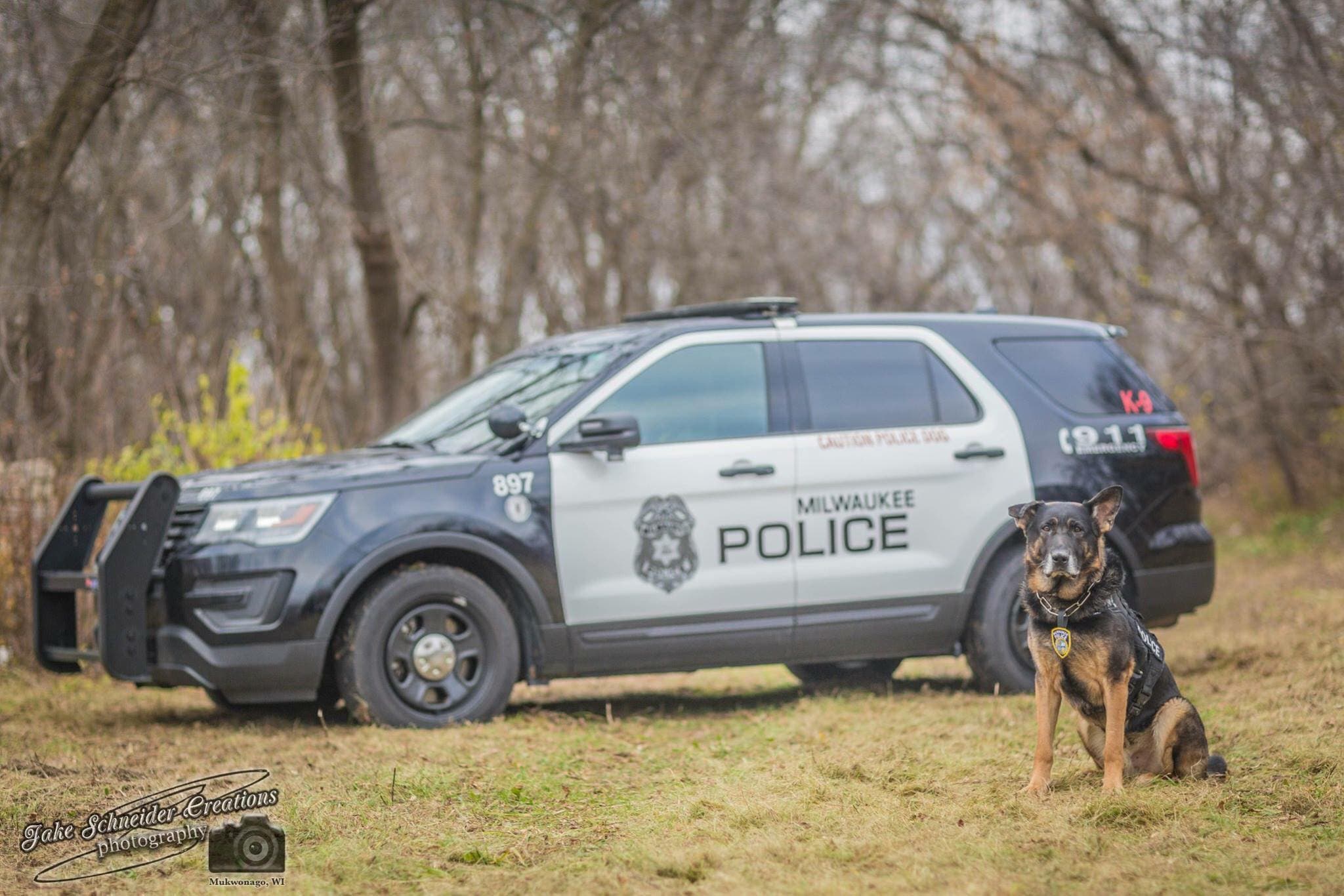
It provide a comprehensive security solution for safeguarding properties, assets, and personnel. Trained
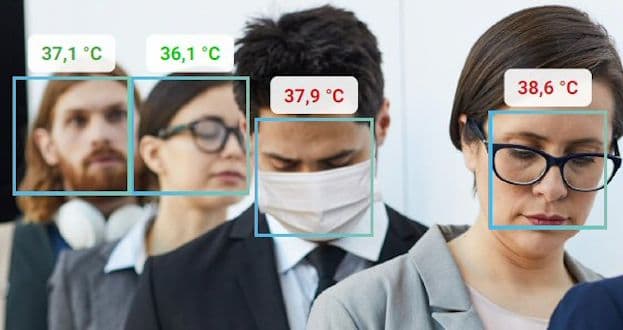
are designed to ensure health and safety in public spaces, workplaces, and high-traffic areas. These systems use advanced thermal imaging technology to quickly and accurately detect elevated body temperatures, which can indicate potential illness. Ideal for entry points and crowded areas, they enable proactive screening and help prevent the spread of infections.
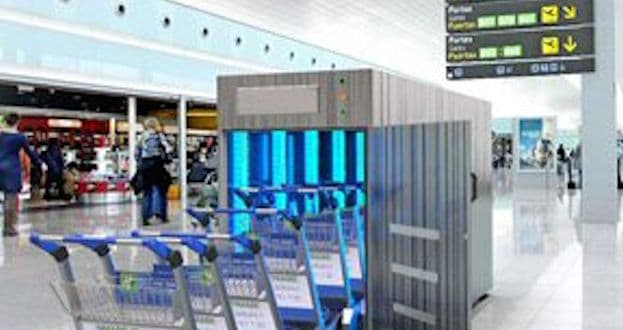
Sanitising disinfects surfaces to effectively kill deadly microorganisms, particularly during a pandemic situation such as Coronavirus COVID-19.
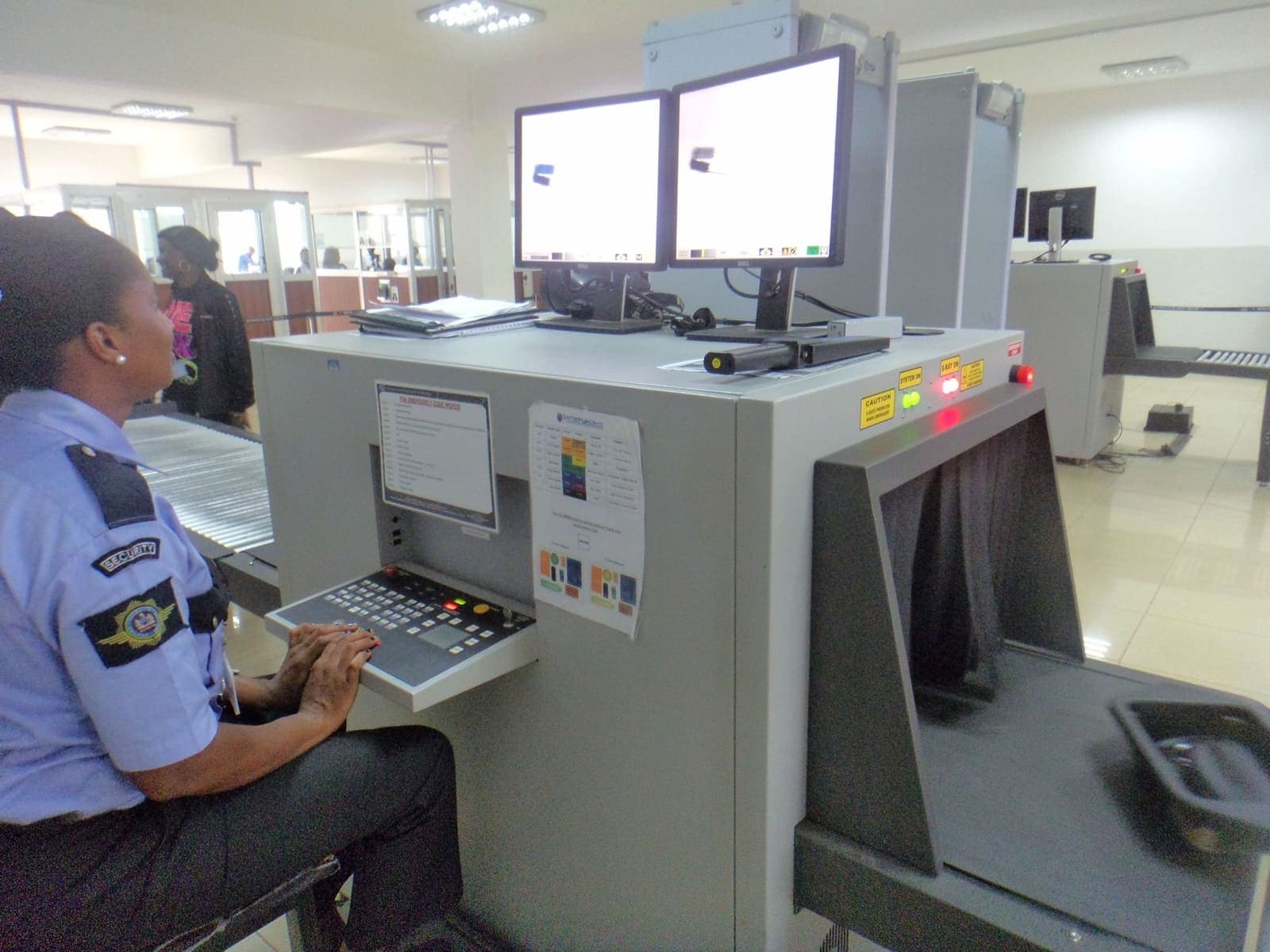
The systems provide reliable, high-resolution imaging for security and inspection purposes. These systems are ideal for detecting prohibited items, hidden objects, and potential threats in luggage, parcels, and personal belongings. Equipped with advanced imaging technology, they allow security personnel to identify a wide range of materials, including metals, plastics, and organic substances.
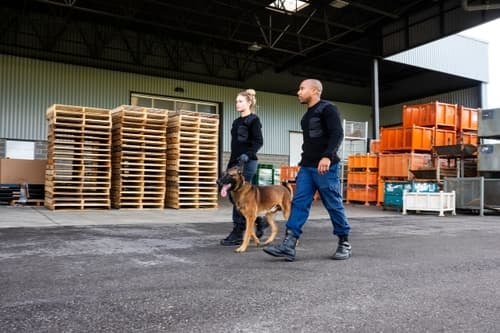
They are developed on a modular framework that targets both the individual and operational needs. A blend of appropriate classroom and extended practical knowledge provides understanding, resulting in skilled and able workforce. All training is delivered by an industry qualified and internationally experienced team.
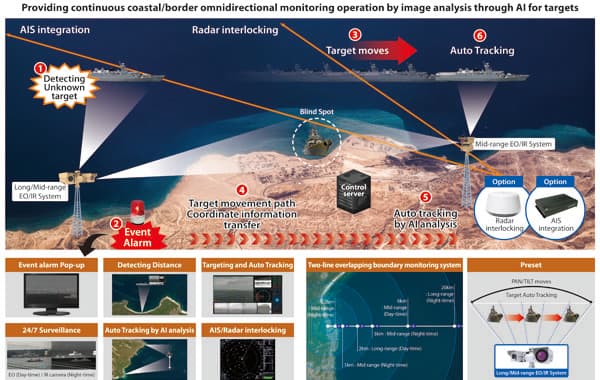
24 hours a day, 365 days a year, from smuggling, military threats and aggression. Even in camouflage and uncertain visibility, an EO/IR monitoring system can support coastal boundary observation and rapid response. The system can also be integrated with other maritime information sources.
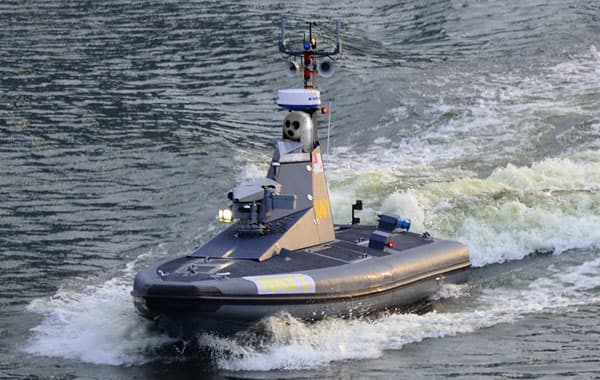
The Unmanned Surface Vehicle (USV) minimizes manpower requirements and supports continuous observation and reconnaissance. Gyro stabilization technology helps maintain stable high-definition imagery for unmanned watercraft applications.

Unmanned aerial systems can be used for observation and monitoring from areas that may be difficult to access directly. Camera and sensor systems can provide useful visual information for situational awareness.

Florescence ship rubber airbag comply with ISO 14409. Ship airbag can be used to launch and upgrade ships. Compared with traditional slipway launching methods, ship launching airbags are more flexible and require less permanent launching infrastructure.

Marine salvage airbags are heavy-duty air lifting bags used for supporting floating structures and salvage applications. They are designed for demanding marine environments and can be used for a variety of marine recovery requirements.
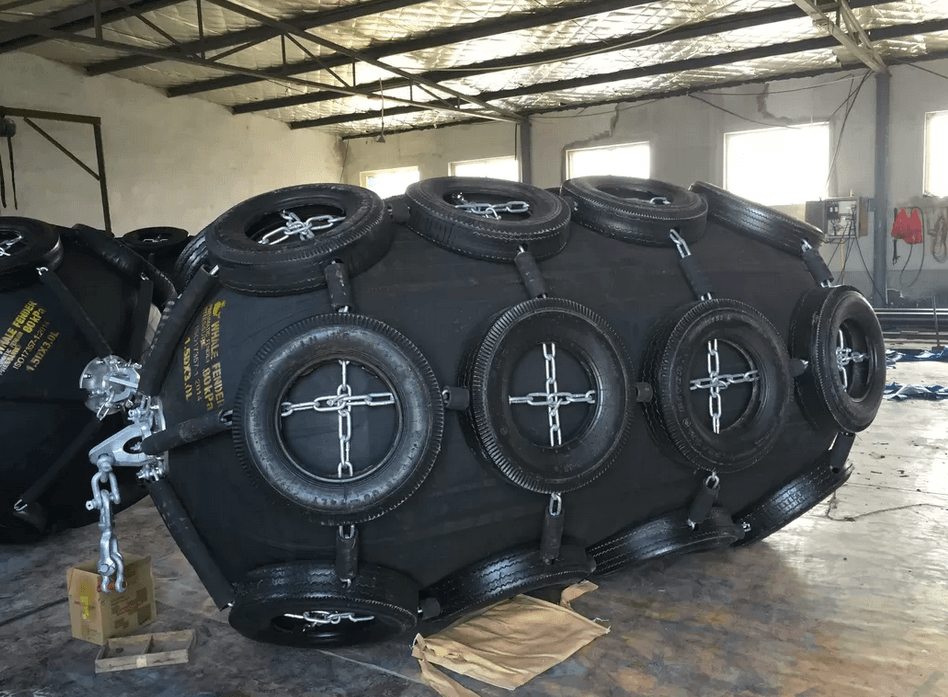
Yokohama pneumatic rubber fenders are widely used as protective marine equipment for ship-to-ship and ship-to-quay applications. They are available in different sizes and configurations.
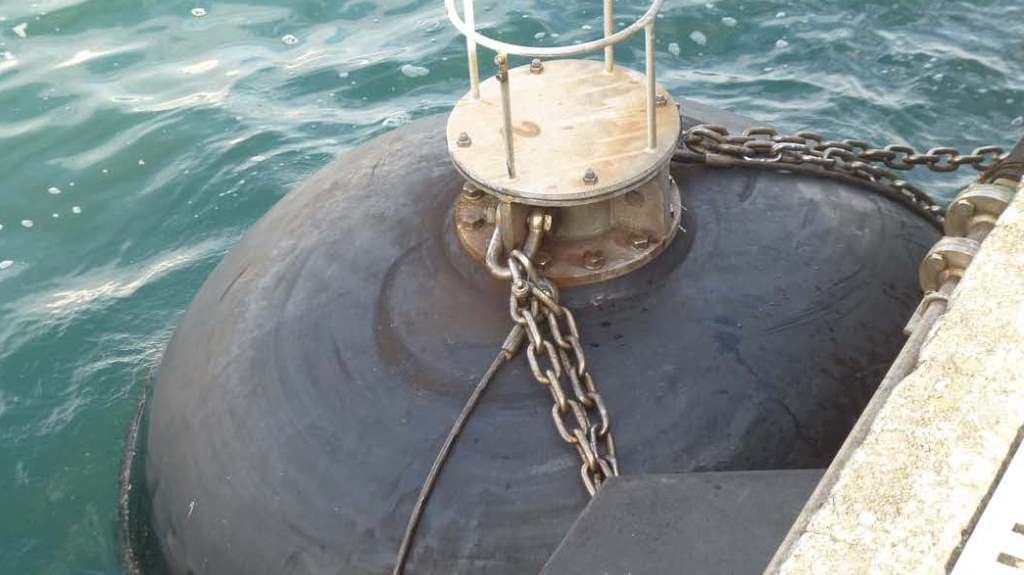
Submarine pneumatic rubber fenders are designed for marine applications requiring stable and soft protection. Their configuration makes them suitable for different vessel requirements.
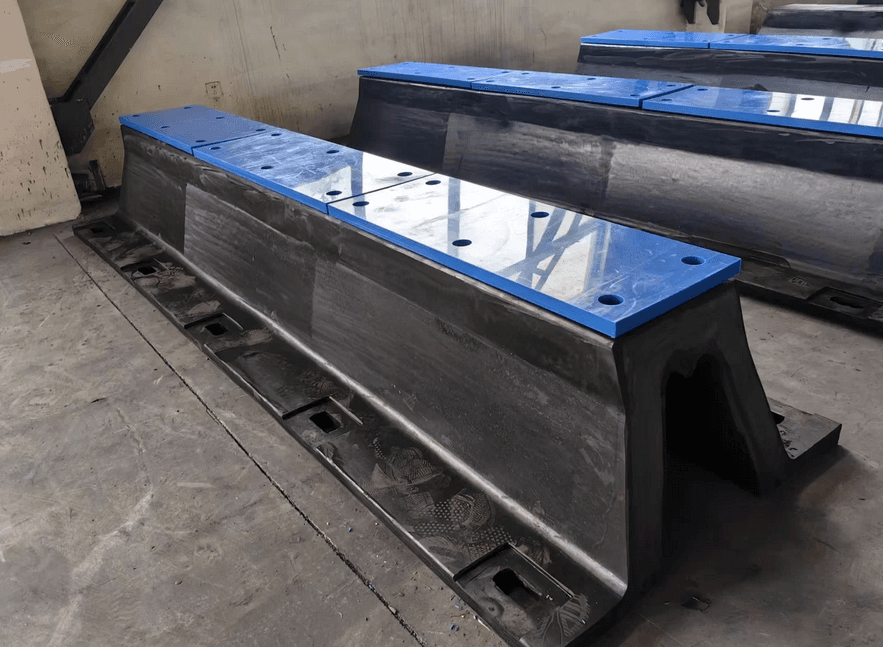
Arch fenders are simple and rugged marine fender systems providing reliable service for a wide variety of berths. They are suitable for demanding marine environments.
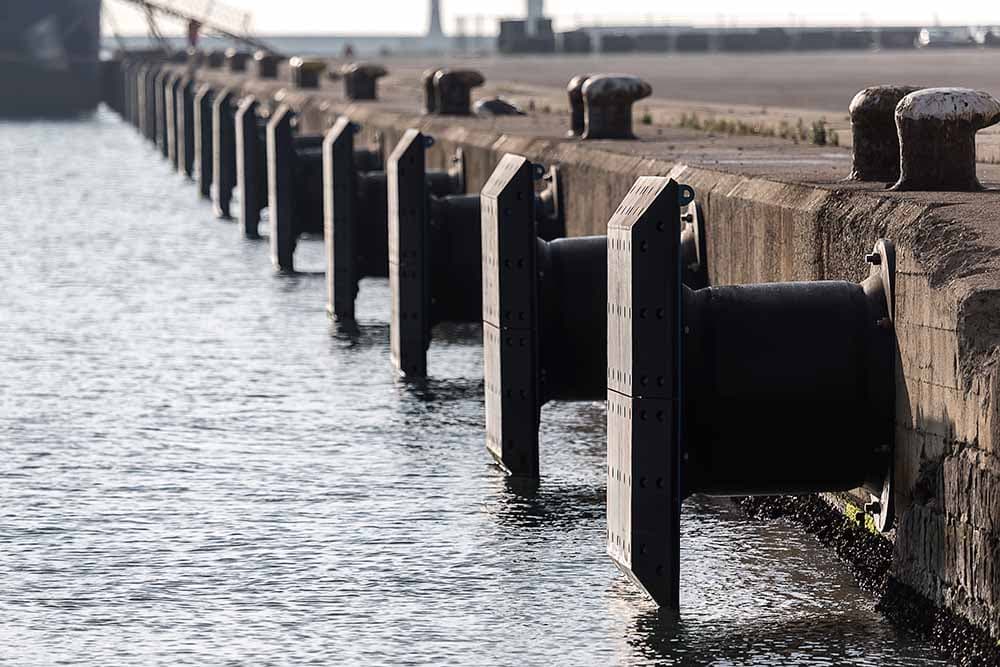
Cell fenders are widely used because of their simple construction, high performance and strength. They can support large panels and are suitable for different berth configurations.
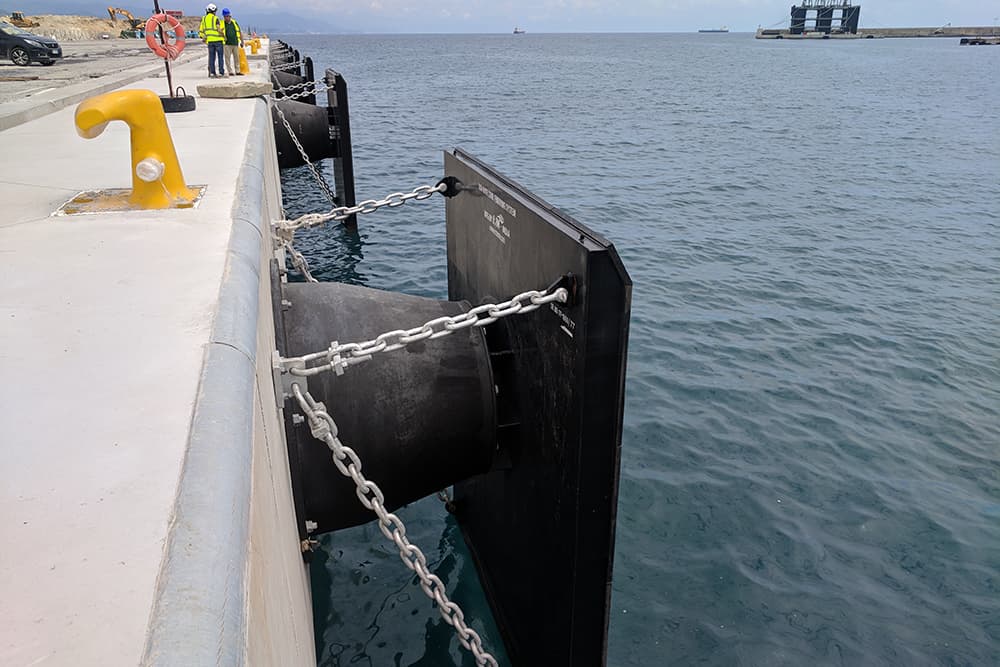
Super Cone Fenders are designed for efficient marine protection. Their conical body provides stability at large compression angles together with excellent shear strength.
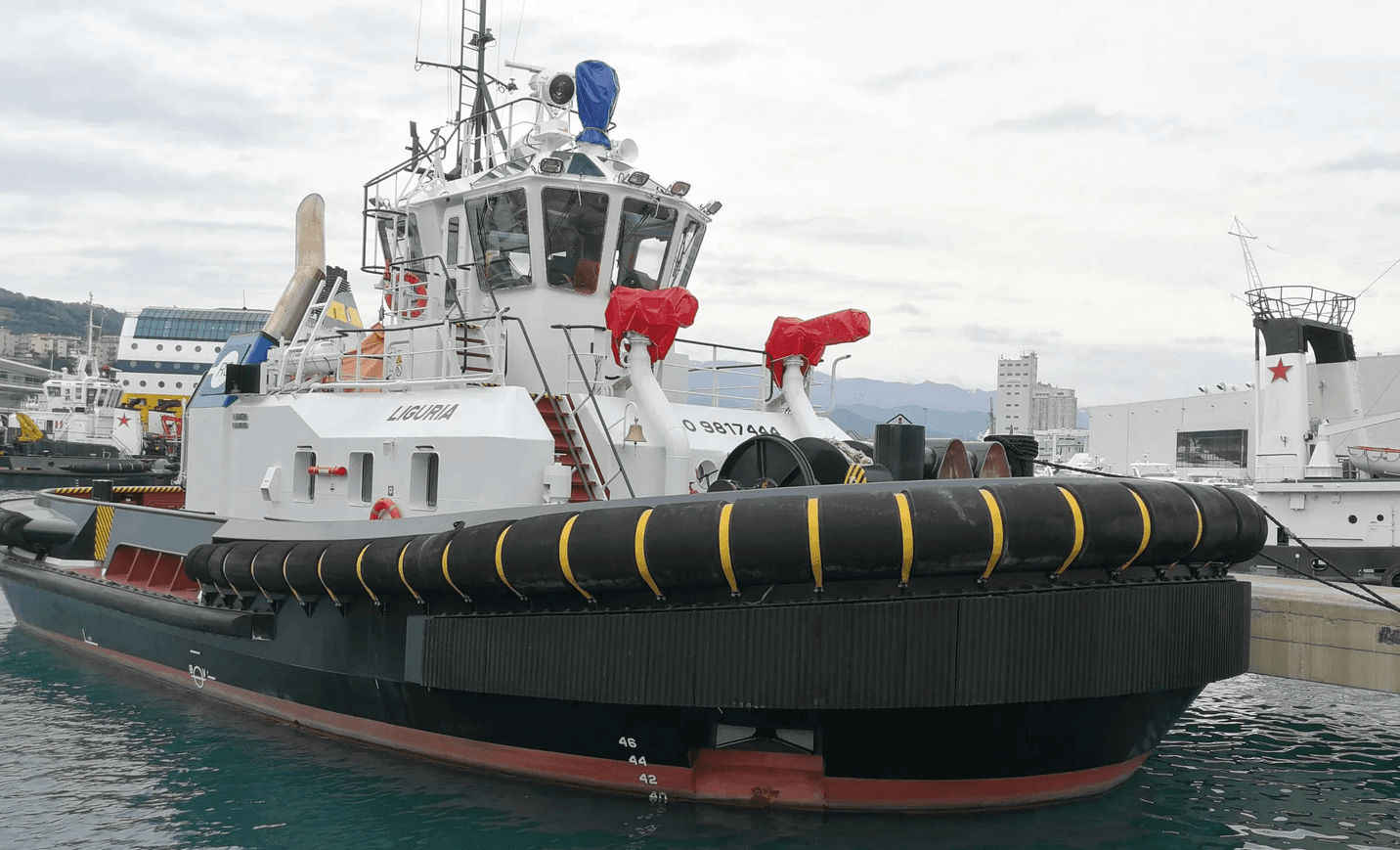
Cylindrical fenders are simple and versatile marine fender systems. Their progressive reaction characteristics make them suitable for berths serving different vessel sizes. Tug fenders are used for various tug vessel operations.
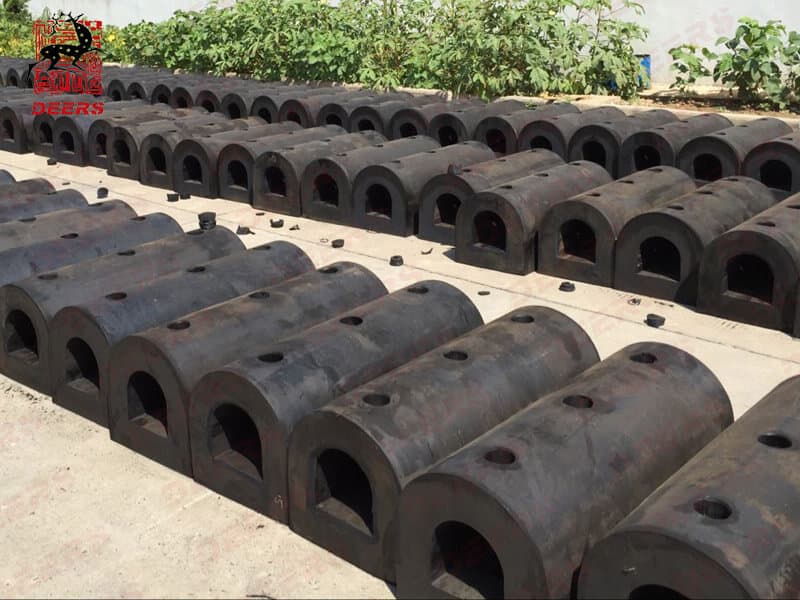
D fenders are commonly used for tugboats, workboats and other vessels. Their flat back makes installation convenient on various surfaces for ship and dock protection.
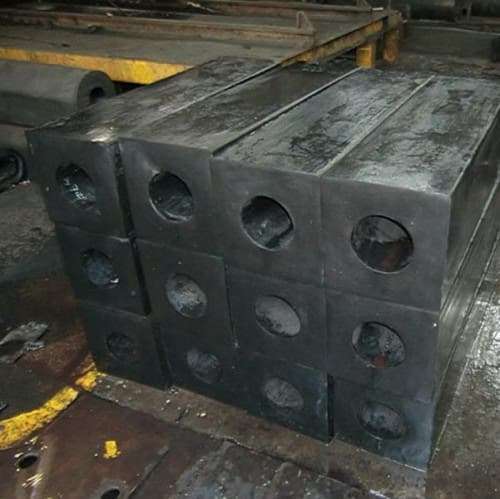
Square fenders are available in different standard configurations and can also be customized for specific applications.
W-Fenders are designed for demanding operating conditions and are widely used for tug applications. Their open-bore design allows simple installation and flexible fitting around hull shapes.
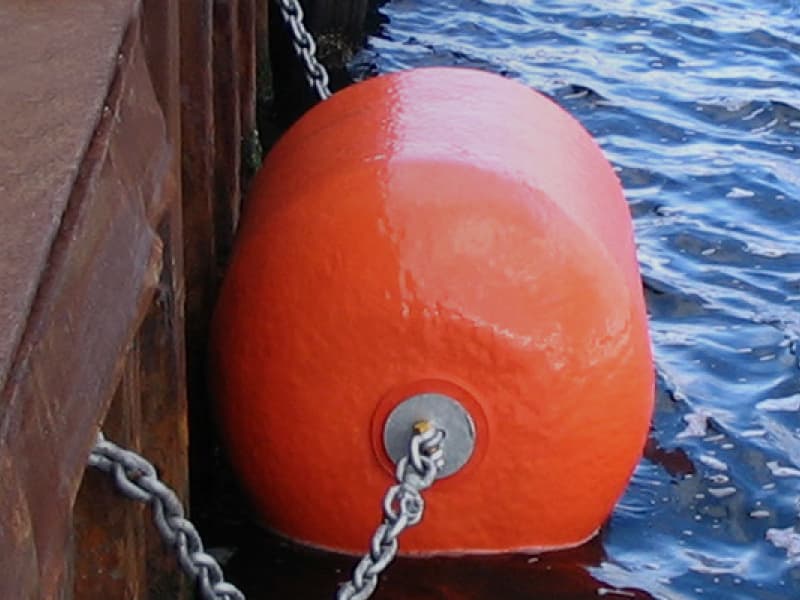
Florescence polyurethane foam filled fenders provide a robust marine protection solution. Their solid foam construction removes the need for maintaining air pressure and makes them suitable for different marine structures.
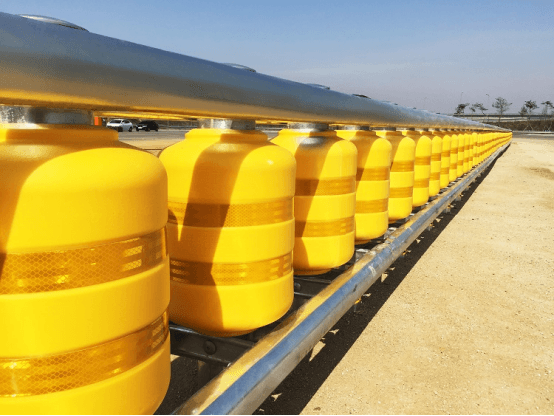
Roller Barrier Guardrail Systems use a rotating structure designed to absorb and redirect impact forces. The rolling system provides an additional road protection solution.
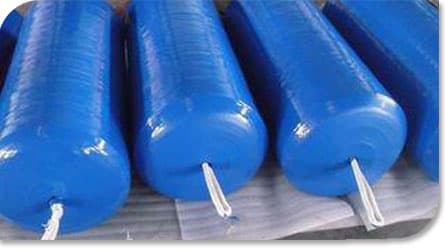
Foam buoys are universal pickup floats for mooring, marking and picking. They are resistant to abrasion and UV degradation and can be enhanced for demanding operating conditions.
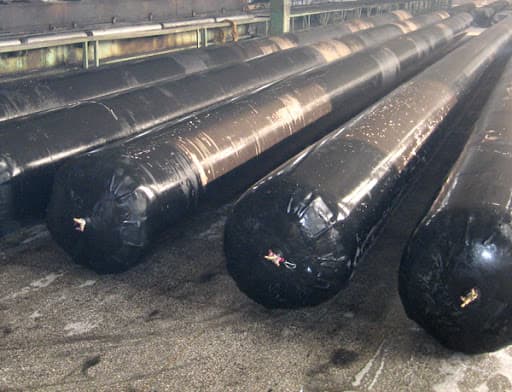
Culvert making balloons, also known as inflatable rubber core molds, are used to form cavities for reinforced concrete structures. They are available in different shapes and can help reduce construction material requirements.